

What Content Does a Food or Drink Brand Actually Need Each Month?
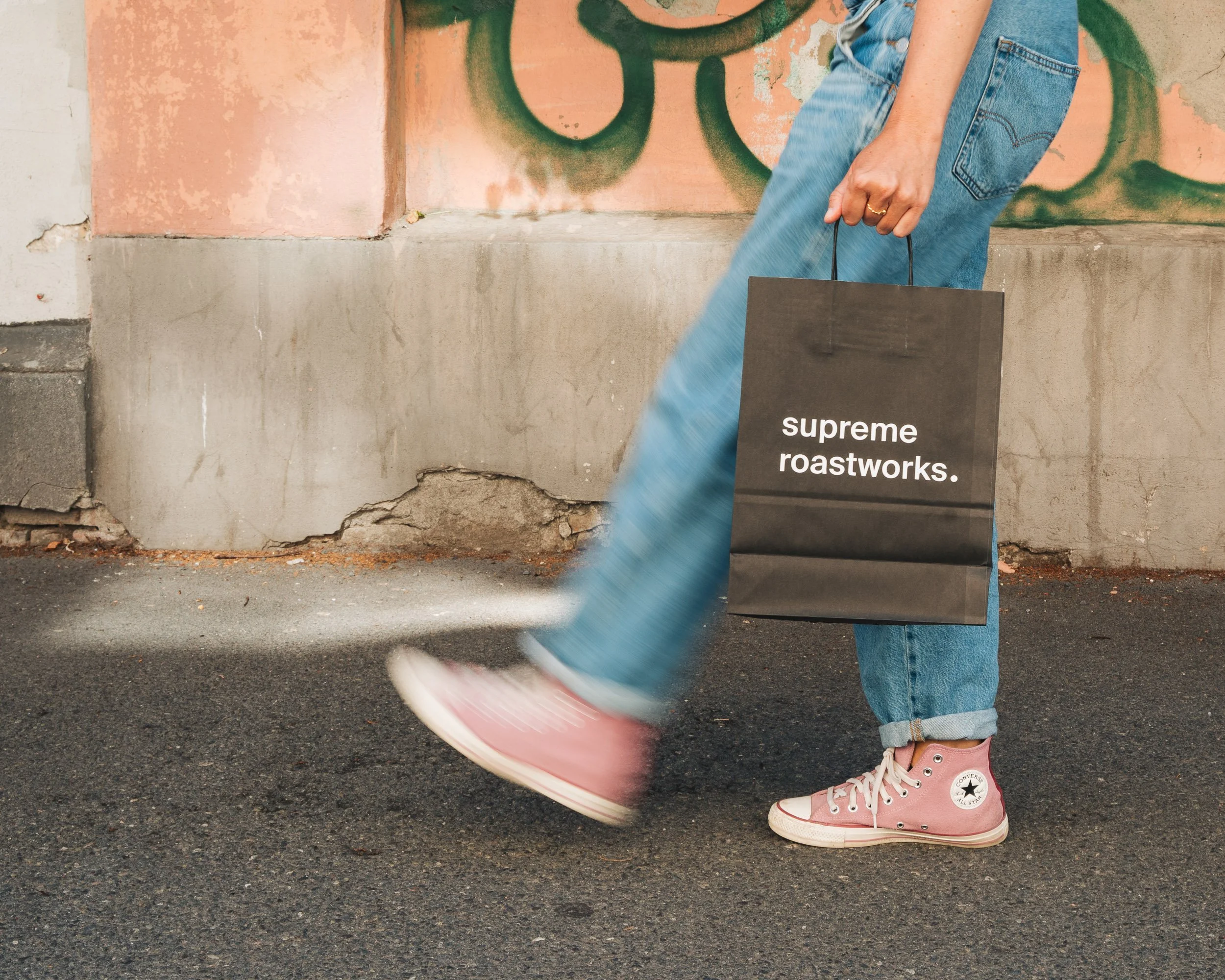
Supreme Roastworks, Oslo, Norway
If you run a food or drink brand, one of the hardest parts of marketing isn't necessarily knowing what to say. It's having enough good content to actually say it with. Instagram needs something this week, a new product is launching next month, your website still has photographs of the old packaging, the sales team needs images for a retailer presentation, then someone asks if there is a vertical video for Reels. Sound familiar? The good news is that you don't need a completely new photoshoot every week. A well planned food and drink content shoot can create a bank of photography and video that gives your marketing team plenty to work with across social media, your website, email marketing, PR, advertising and retail. So what should actually be on your monthly content list?
1. Hero product photography
Every food and drink brand needs strong photographs where the product is unmistakably the star. Think bottles, cans, packaging, boxes or the finished food itself, these are the images that can become your website banners, launch announcements, campaign imagery, press images, retailer assets and advertising. I normally like to create several variations rather than relying on one hero photograph. Different crops and compositions give a brand much more flexibility when the images start being used across different platforms.
2. Lifestyle photography
This is where we take the product out of the studio and put it into a world people recognise. A bottle being pulled from an ice bucket. Coffee on a table with breakfast. A drink being passed between friends. A snack thrown into a backpack before heading outside. Lifestyle photography gives context to a product, It answers a really important marketing question: Where does this product fit into someone's life? For food and beverage brands in particular, these images can be incredibly useful because they allow you to tell a much bigger story than simply showing the packaging.
3. Detail shots
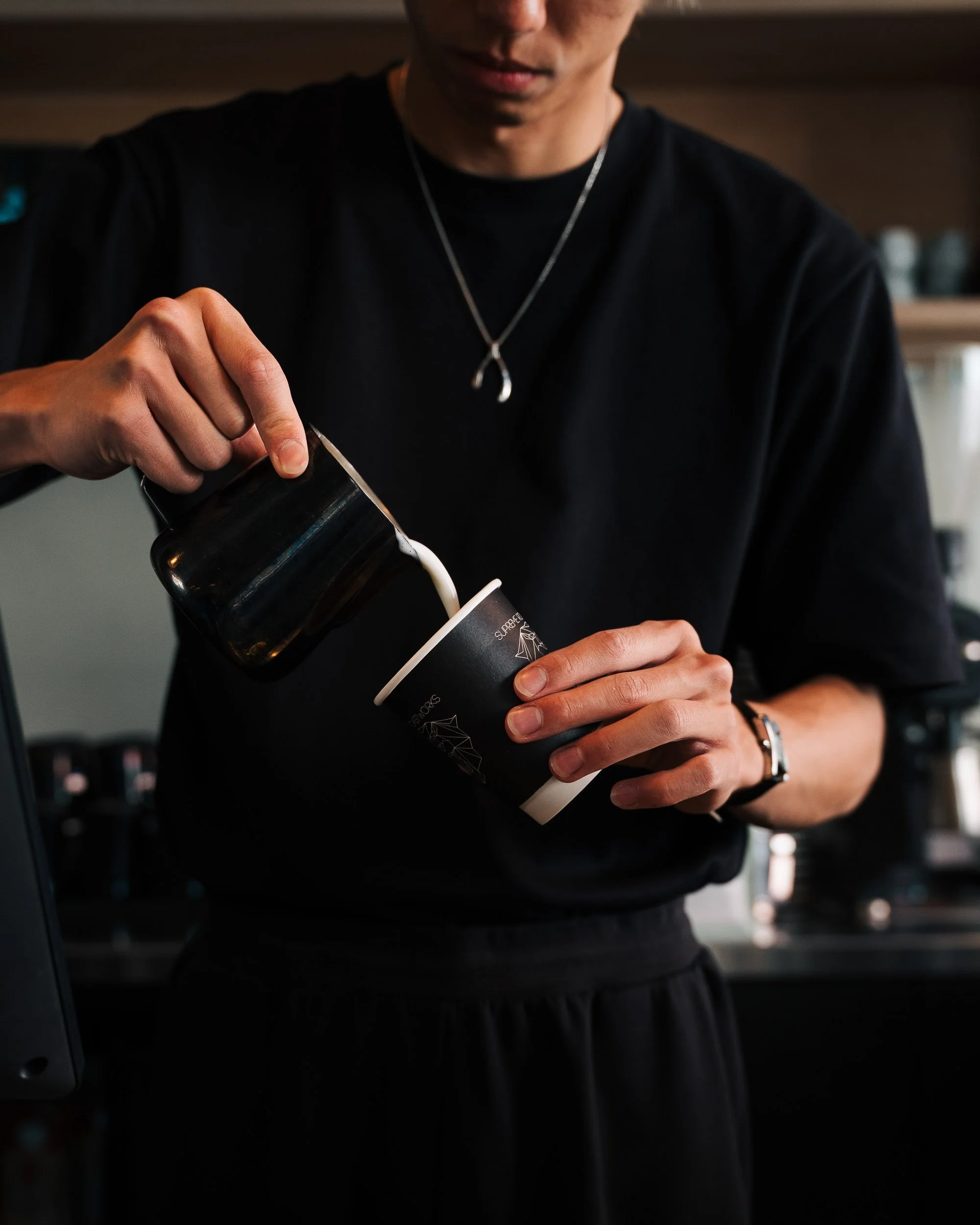
Don't forget the close ups. Condensation on a bottle, The texture of a cake, coffee being poured, ingredients scattered across a table, a hand opening the packaging. These might not always be the main campaign photographs, but they are a brilliant way of filling the gaps between bigger posts and creating a more interesting visual library. They are also perfect for carousels, website details, Stories and short-form video.
4. Short-form video
Photography is still incredibly valuable, but brands now need movement too. That doesn't necessarily mean producing a huge commercial film every month.
Short clips can be incredibly useful:
pouring
opening
serving
mixing
hands interacting with the product
ingredients
behind the scenes
products moving through the frame
simple lifestyle moments
When I'm planning a food or beverage shoot, I like thinking about photography and video together rather than treating them as two completely separate productions. It means one setup can potentially create a hero photograph, detail photographs and several short video clips, that's a lot more content from one idea.
5. Seasonal content
This is the one brands often leave too late. Christmas content should not be photographed in December, Summer campaigns should not be commissioned when summer has already arrived. If you are launching seasonal products or campaigns, ideally your content should be planned several weeks ahead so there is time for photography, video, editing, design, approvals and scheduling.
For a food or drink brand, that could include:
January: new routines, winter, wellness
Spring: Easter, brighter colours, outdoor occasions
Summer: picnics, travel, BBQs, cold drinks, outdoor dining
Autumn: warmer food, darker evenings, cosy occasions
Christmas: gifting, entertaining, limited editions and festive campaigns
Not every moment will be relevant to every brand — and that's exactly the point.
Your content calendar should be built around how people actually buy and use your product.
6. Product launch content
Launching something new? Don't wait until launch day to start talking about it, a product launch can give you weeks of content. Before the launch, you might photograph ingredients, packaging details and teaser imagery without revealing everything, then you have your hero campaign imagery for launch day. Afterwards, lifestyle photography, details and video can keep the campaign going.
Instead of:
“Here's our new flavour.”
…and then silence…
you have created a visual story around the launch.
7. Evergreen content
Not everything needs to be tied to a campaign, Some of the most useful photographs I create for brands are the ones that don't have an expiry date. Simple product photography, lifestyle images and detail shots can sit in a brand's content library and be pulled out whenever they are needed. Need an Instagram post on Tuesday? An image for a newsletter? A photograph to send to a journalist? Something for a retailer? That's where having a good content bank becomes incredibly useful.
So, how much content does a food or drink brand need?
There isn't one magic number, a small independent drinks brand posting three times a week will have very different requirements from an established food company running paid advertising, retailer campaigns, PR and daily social media. Instead of starting with a number of photographs, I prefer to start with where the content needs to go.
For example:
Instagram
Reels
TikTok
Website
Email
PR
Advertising
Retailers
Point of sale
LinkedIn
Printed marketing
Once we know that, we can work backwards and plan a shoot that creates the right mixture of hero images, lifestyle photography, details and video.
How to get more content from one photoshoot
This is something I think about a lot when planning commercial shoots, If we are already building a set, sourcing props, styling a product and getting the lighting right, I want to get as much useful content from that setup as possible. That might mean changing the crop, moving a few props, Photographing vertically and horizontally, adding hands, taking the product outside, Shooting a short video, and creating a clean version for advertising where there's space for text. Small changes can turn one setup into multiple usable assets, and that is much more valuable to a marketing team than receiving 20 photographs that essentially all do the same job.
Planning a food or drink content shoot in Stockholm
I'm a commercial food and beverage photographer based in Stockholm, Sweden, working with food, drink and hospitality brands across Scandinavia and internationally. I create product photography, lifestyle campaigns and short-form video for brands that need content for product launches, seasonal campaigns, websites, social media, advertising and ongoing marketing. My shoots are planned around what the brand actually needs the content to do, rather than simply creating a collection of nice photographs. Because ultimately, that's the point. Your next photoshoot shouldn't just give you pictures, It should give your marketing team something to work with. Get in touch and let’s talk about your project